
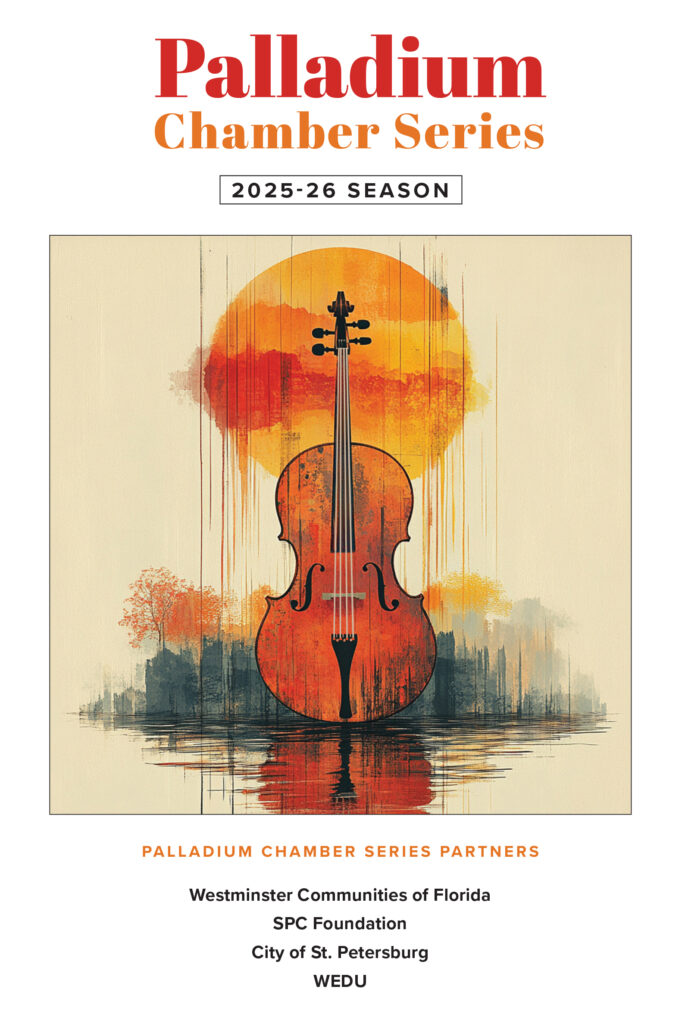
It’s hard to believe that our Palladium Chamber Series is celebrating its 13th anniversary season this year. I remember when Jeffrey Multer came to my office to pitch the idea.
The series became an immediate hit with audiences. It also attracted strong support from companies and private donors.
The five-concert series kicks off on Dec. 10 with a special program that features some of our core ensemble members, plus members of The Florida Orchestra. The program includes pieces by Beethoven, Poulenc, and Dvorak.
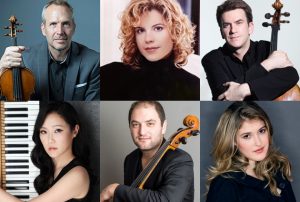
Chamber series regulars, violinist and artistic director Jeffrey Multer and pianist Jeewon Park are joined by Florida Orchestra violinists, Vivek Jayaraman and Natalie Yu; violist, Sebastian Stefanovic; cellist, Victor Minke Huls as well as several members of the TFO wind section; Clay Ellerbroek, flute; Mitchell Kuhn, oboe; Natalie Hoe, clarinet; Maggie O’Leary, bassoon, and David Smith, french horn.
Other highlights this season include a concert of string sextets on Jan 14 featuring a mix of our core chamber players and guest artists. The return of our original group that started the series on Feb. 11. The great violin soloist Stefan Jackiw and clarinetist Yoonah Kim are joining Ed & Jeewon on a unique program on March 25, and to round out the series, TFO principal cellist Yoni Draiblate will join Jeff and Marika Bournaki (piano) on the finale program. For tickets and more information, please follow this link.
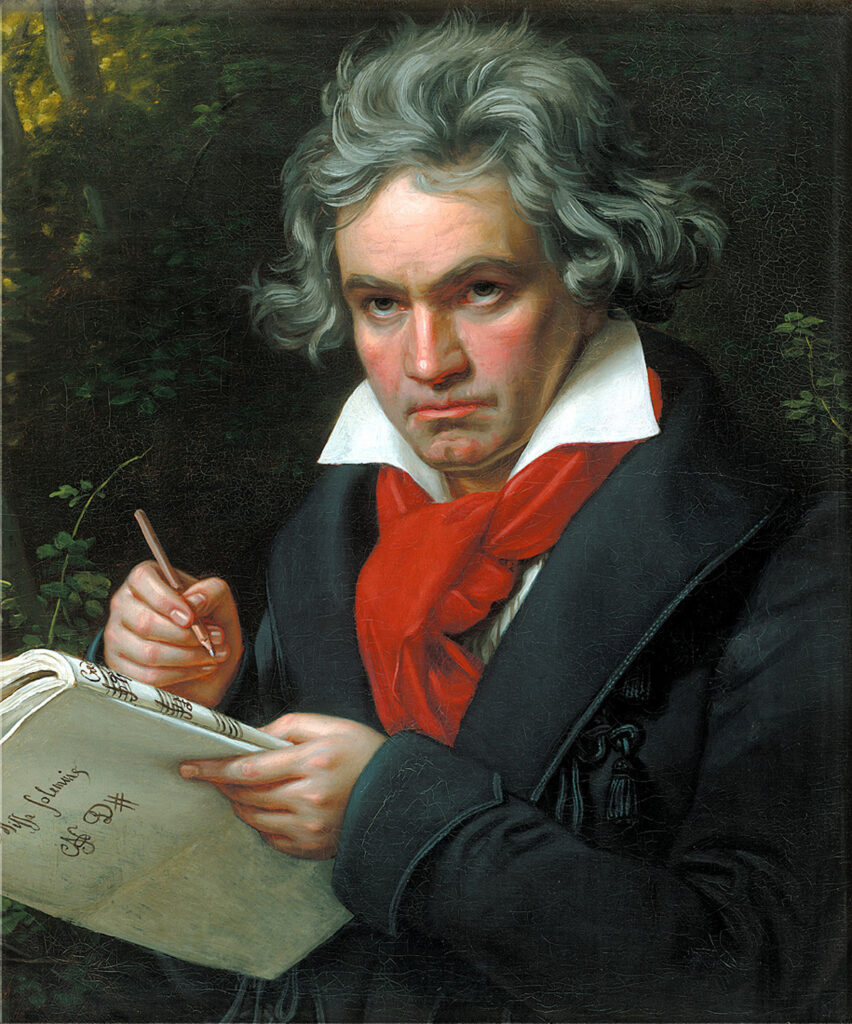
Ludwig van Beethoven (1770-1827)
Sonata for Violin and Piano, Op. 12, No. 2
What to listen for: Unlike many sonatas from the classical period where one instrument dominates, this work at the dawn of the romantic era unfolds as a conversation between equals.
Scholars of Beethoven divide his career into three distinct phases, and because he wrote an accumulation of works in specific forms ─ sonatas, quartets and symphonies, for example ─ listeners have the luxury of hearing his development in a linear, ever-evolving way.
The 10 Sonatas for Violin and Piano are a portal into this creative process. Beethoven conceived the first nine over a span of six fruitful years and finished his last sonata a decade later. While the Spring and Kreutzer enjoy the most attention, the unnamed sonatas offer a wealth of intimate ideas, such as the work on tonight’s program.
Beethoven needed money for rent, groceries and beer (not necessarily in that order) and knew that writing music for serious amateurs in the home would sell. So, he penned his Op. 12 as Hausmusik for non-professionals but still worthy of concert duty. He dedicated these sonatas to Antonio Salieri, the Viennese court composer who advised the younger man on vocal composition, especially Italian opera.
Published in 1798 as the middle child in a set of three, the Sonata in A is early period Beethoven, where the influences of Haydn and Mozart still linger − but infused with an underlying strength of purpose. Nor is one instrument dominant or compliant: Both are equals in the conversation, especially in the aria-like slow movement.
Aside from its lyrical glow throughout, the sonata stands out as an example of Beethoven moving away from classicism and satisfying his impulses for a new romantic language, particularly in the flexible give-and-take between the two instruments. A freedom of expression appears from the 28-year-old composer, who was still some years away from his exploratory “heroic’’ period.
The genial opening movement is full of brio and insistent repeated phrases, and its lighthearted character belies the complex design that supports it. The sonata deepens in tone and emotion in the A-minor andante – a forebearer of the great slow movements Beethoven would later immortalize. The finale takes a brisk clip marked allegro piacevole, or “pleasingly lively,’’ and a cascade of arpeggios emerge from the piano before the music ends on a single, affirmative note.
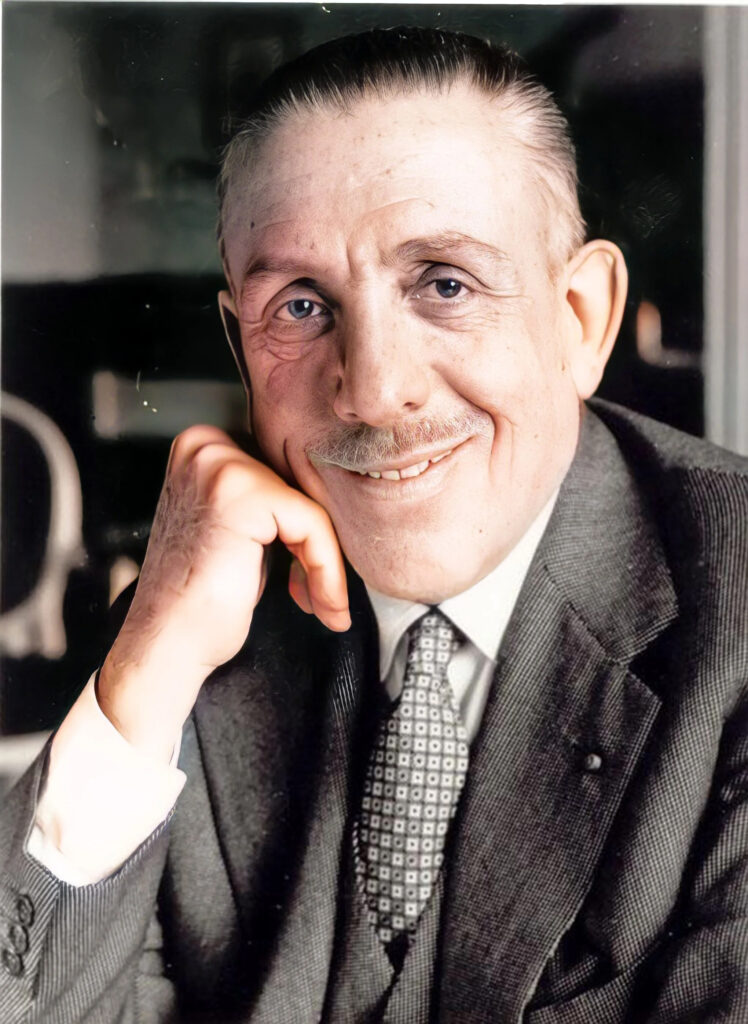
Francis Poulenc (1899-1963)
Sextuor, FP 100
What to listen for: This witty, impish score for piano and wind instruments blends a jovial character with bouts of seriousness, intended to be played with flourish from start to finish.
Poulenc was a member of an ad-hoc group of musicians known as Les Six, composers who sought to free French music from foreign nationalism, and even the country’s own Impressionism movement. Influenced by the writer Jean Cocteau, their aim was to be anti-Romantic, to break away from Wagner, to take potshots at the musical establishment, to write with clarity and restraint – and most of all, to have fun.
Poulenc was not only fun but eclectic. He composed in all the major musical genres, including film – the director Alfred Hitchcock used his Perpetual Motion No. 1 in the 1948 murder-mystery classic, Rope. He loved the sound of wind instruments, in part because of how they mimicked the human voice. His best works are in fact vocal: the quietly spiritual Mass, the Stabat Mater, and the popular Gloria.
Also known as the Sextet for Piano and Wind Quintet, the work you will hear tonight includes flute, oboe, clarinet, bassoon and horn. Poulenc completed it in 1933, revising it six years later. “There were some good ideas in (the original) but the whole thing was badly put together,’’ he said. “With the proportions altered, better balanced, it comes over very clearly.’’
He cast the 20-minute sextet in three complementary movements: allegro vivace, divertissement, and prestissimo. Lively, upbeat and engaging to the ear, the music can be viewed as an extension of Poulenc’s personality, especially the amusing interplay within the ensemble. It opens with boisterous ascending scales, follows with a midsection parody of Mozart, and a finale that tips a hat to Offenbach and Stravinsky. The piece ends in contradiction: a dissonant chord to offset all the good humor that led up to it.
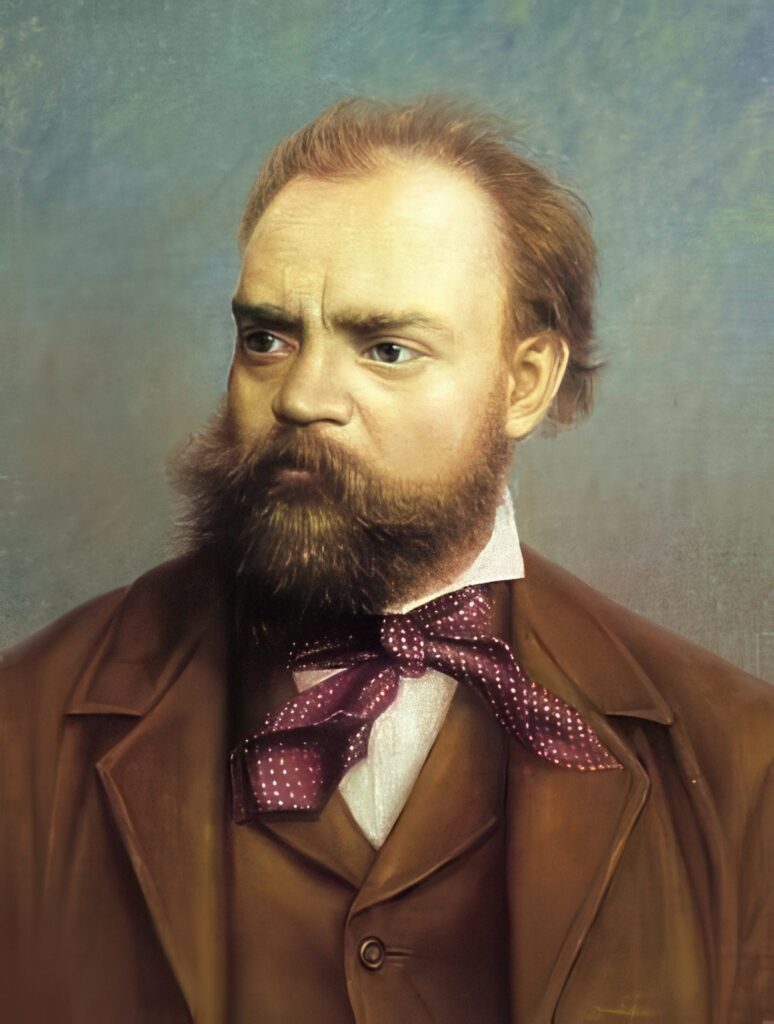
Antonín Dvořák (1841-1904)
Piano Quintet No. 2 in A major, Op. 81
What to listen for: In three of his chamber works, including this one, Dvořák made use of a haunting Bohemian tune called the dumka, which symbolizes his nationalistic style.
For the listener who knows little of Dvořák’s music, what comes to mind is its likability. Almost everything he wrote feels homegrown, nurtured by rich soil, the themes sunny, warm, and amiable. This isn’t to say Dvořák wrote only happy music; he could summon at will great power and tension, evident in his last three symphonies alone. More important, Dvořák wove native folksongs into his music with such ease and effectiveness that he remains his native Bohemia’s most important musical nationalist.
Dvořák prided himself in composing with relative ease, and he could spin out a complete work in weeks, where many composers labored for months or years. This creative luxury gave his music a liquid quality where melody, harmony and rhythm are innately intertwined.
But he struggled with the Piano Quintet No. 2, which bore roots from an earlier quintet in the same key, Op. 5, that Dvořák tossed in the trash after its first performance. Some 15 years later, he found a copy and revised it, but dismissed that, too. Starting anew, he sat down to compose and his instincts paid off, as it ranks with those of Schumann and Brahms as a masterpiece in the form of piano and string quartet.
The work opens in a rush of gleaming melodies with cello and viola taking the principle and secondary themes, respectively. The music moves between lyrical and restless before the ensemble embraces the dark key of F-sharp minor. This is one of the composer’s most inspired moments: Dvořák’s handling of sonata form − intro, development, recap – sets listeners off on an elaborate musical journey. Dvořák was fond a folk tune called the dumka and employs it to great effect in the second movement with the main theme called out by the piano. A Ukrainian lament, it alternates between melancholy and joy and quick changes in tempo. Next comes a brief scherzo marked furiant, so expect just that: a furiously paced dance. The quintet wraps up with a high-spirited rondo – using a recurring theme to create cohesion – and includes a fugue before a race to the finish and two bold notes by unison strings.




Leave a Reply